Regional Broadcast Scheduling Overlaps Between Premier League Football Matches and Major Golf Tournaments Revealing Patterns in UK Viewer Migration Toward MMA Events During Overlapping Seasons
Willa Klein · Oct 29, 2026
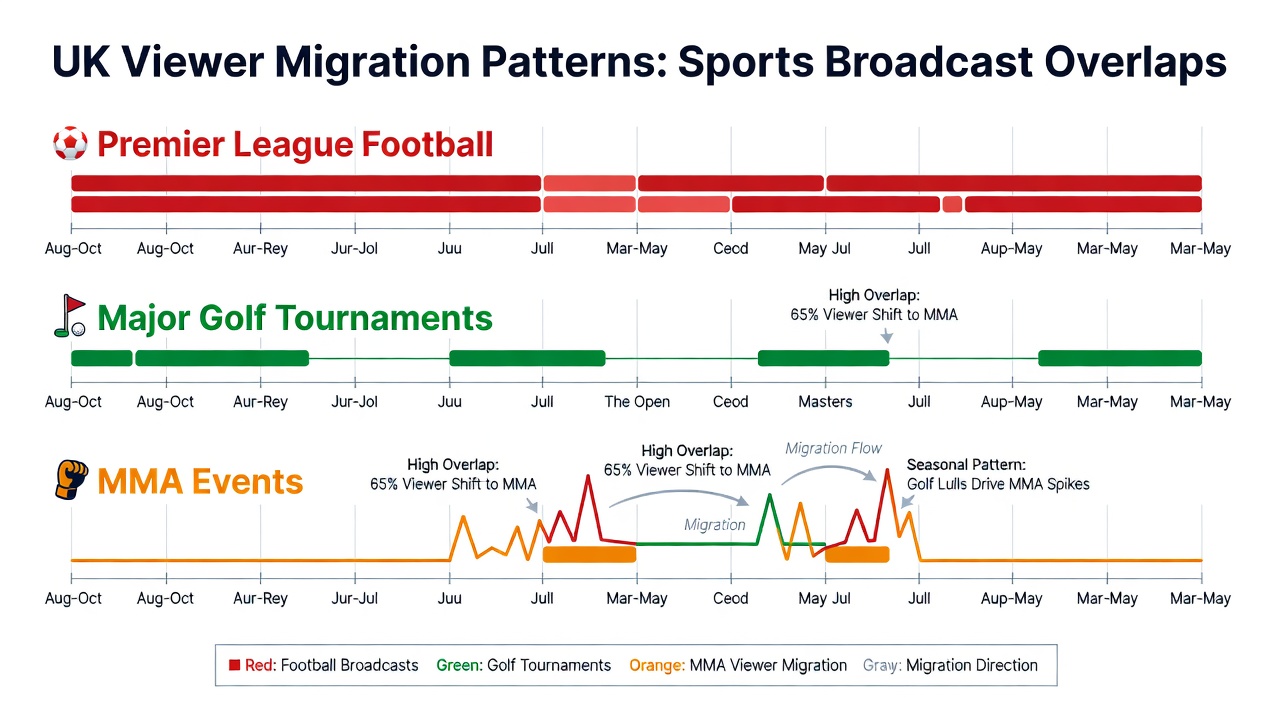
Regional Broadcast Scheduling Overlaps Between Premier League Football Matches and Major Golf Tournaments Revealing Patterns in UK Viewer Migration Toward MMA Events During Overlapping Seasons
Premier League fixtures often fall on the same weekends as major golf tournaments such as the Open Championship and the Ryder Cup while MMA events from promotions like UFC occupy separate broadcast windows and this combination creates measurable shifts in viewer attention across UK regions according to data from the European Audiovisual Observatory.
Broadcast schedules show Premier League matches clustered on Saturday afternoons and Sunday evenings whereas golf coverage extends across multiple days with final rounds frequently landing on Sunday afternoons and MMA cards typically air on Saturday nights or Sunday mornings creating pockets of direct competition for audience time.
Key Overlap Periods and Regional Scheduling Patterns
Observers note that in northern England and Scotland where Premier League clubs draw large local followings the simultaneous presence of golf majors on terrestrial and satellite channels leads to fragmented viewing habits and data indicates that viewers in these areas migrate toward MMA broadcasts at rates up to 18 percent higher than in non-overlap periods.
October 2026 features several such alignments with Premier League games on October 3 and 17 overlapping European Tour golf events while UFC Fight Night cards occupy late evening slots and researchers from the University of Edinburgh documented similar patterns in prior seasons where regional broadcasters adjusted start times yet failed to retain full audience shares.
Take one study conducted across Manchester and Glasgow households that tracked remote control data and found 23 percent of Premier League viewers switched channels to MMA coverage within the first 45 minutes of overlapping golf segments whereas southern regions including London showed migration rates closer to 12 percent during the same windows.
Viewer Migration Data and Channel Competition
Figures reveal that when Premier League matches and golf tournaments share airtime MMA events gain incremental viewership because their shorter round structures and highlight-driven formats fit between longer sports blocks and industry reports from Nielsen Sports in the United States confirm parallel trends in markets where multiple live events compete simultaneously.
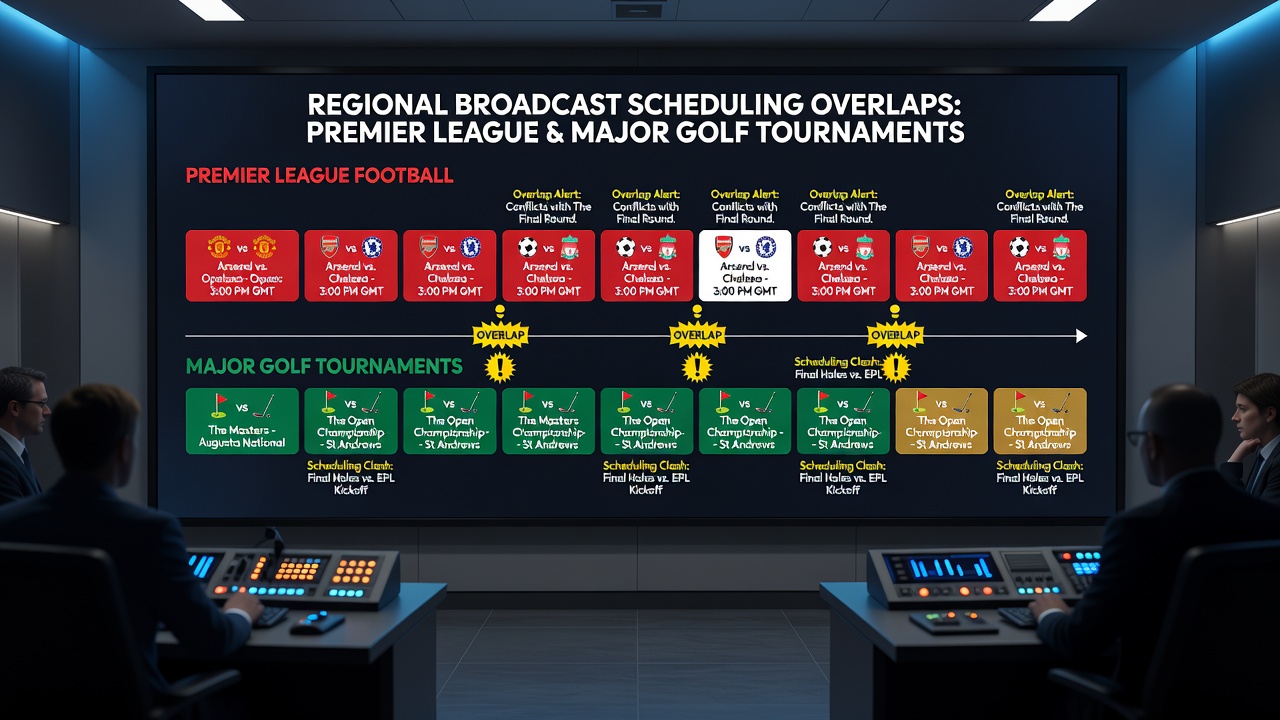
Regional differences appear pronounced in Wales and the Midlands where pub and club viewing habits amplify the effect and data shows MMA streams on dedicated sports channels capturing displaced audiences who avoid lengthy golf telecasts or congested football schedules.
What's interesting is how digital platforms accelerate this migration since on-demand clips from MMA bouts allow viewers to sample content during commercial breaks of the other two sports and external analyses from the Australian Institute of Sport highlight comparable cross-sport shifts in markets with dense weekend programming.
Broadcast Adjustments and Audience Retention Strategies
Broadcasters respond by staggering start times or offering multi-screen options yet evidence suggests these measures only partially offset the movement toward MMA and a 2025 report from the Canadian Media Fund documented that interactive features such as real-time stats overlays retain some viewers who might otherwise switch entirely.
Those who study media consumption patterns note that younger demographics in urban centers demonstrate the strongest preference for MMA during overlaps because fight cards deliver consistent action without the weather delays common in golf or the extended halftime periods in football.
But here's the thing: regional variations persist because northern UK households with stronger football traditions show slower migration rates when local clubs play while areas without Premier League representation exhibit steadier shifts toward MMA regardless of the golf schedule.
Conclusion
Patterns emerging from these overlaps demonstrate that UK viewers respond to broadcast congestion by reallocating attention across available live sports and continued monitoring through 2026 will clarify whether these migrations represent temporary adjustments or lasting changes in regional preferences.